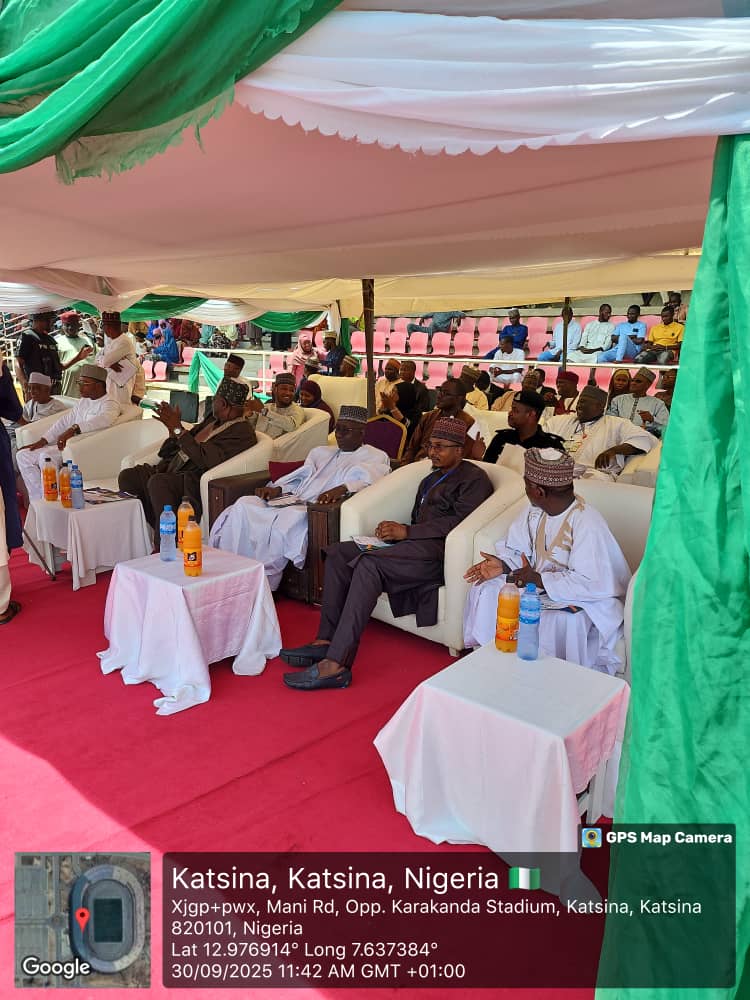
Field Operations
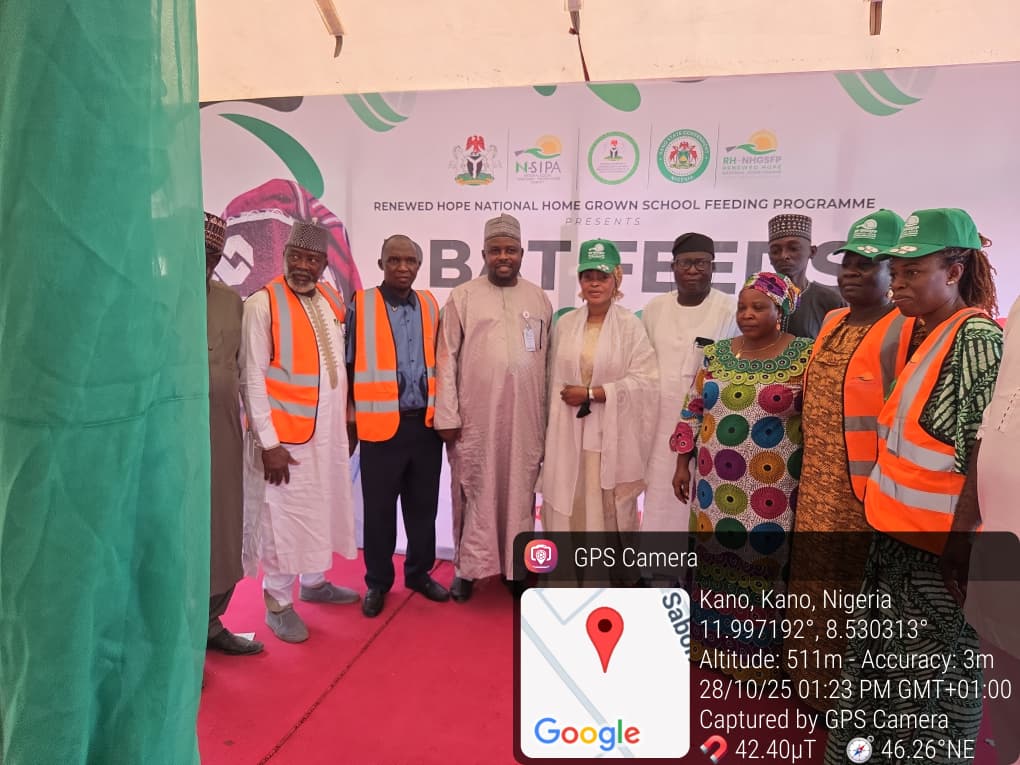
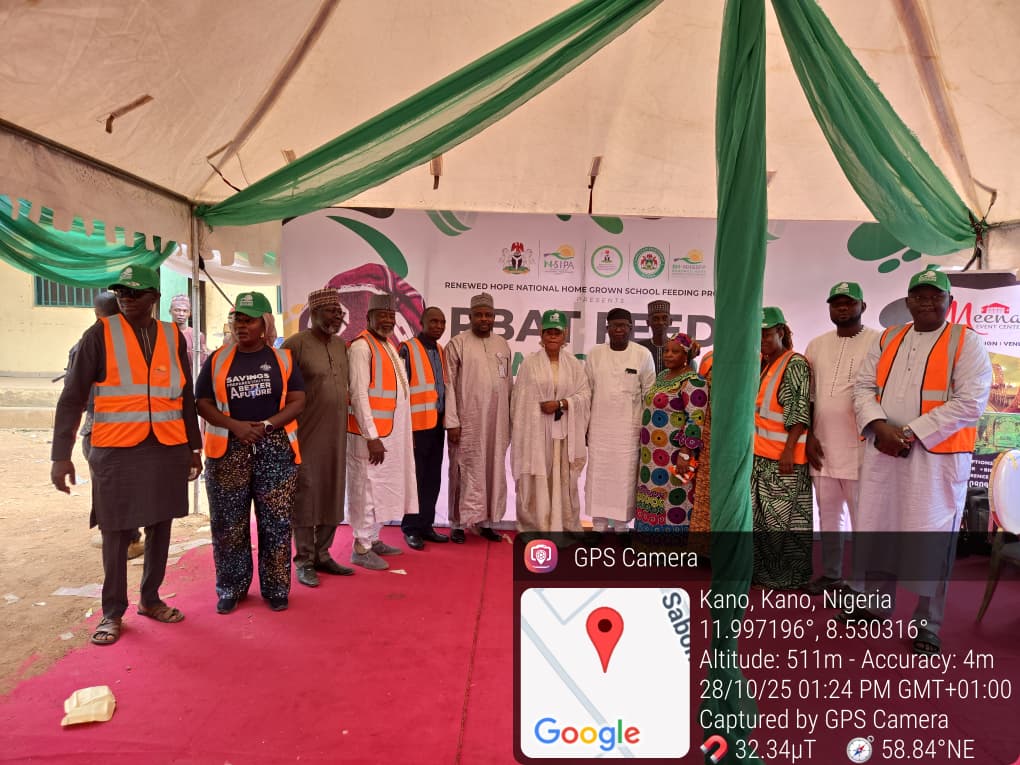
Federal Government Commences Biometric Verification for 250,000 Beneficiaries
Field officers and community validators deploy across northern local government councils.
Empowering Nigeria's most vulnerable citizens across all 774 Local Government Areas through non-refundable dignity grants, inclusive empowerment, and community welfare.
Restoring independence and dignity for Persons with Disabilities (PWDs) through customized motorized wheelchairs, hearing aids, braille slates, and mobility aids.
Providing sustainable social safety nets for indigent senior citizens, destitute widows, and disaster-affected households through verified community social registries.
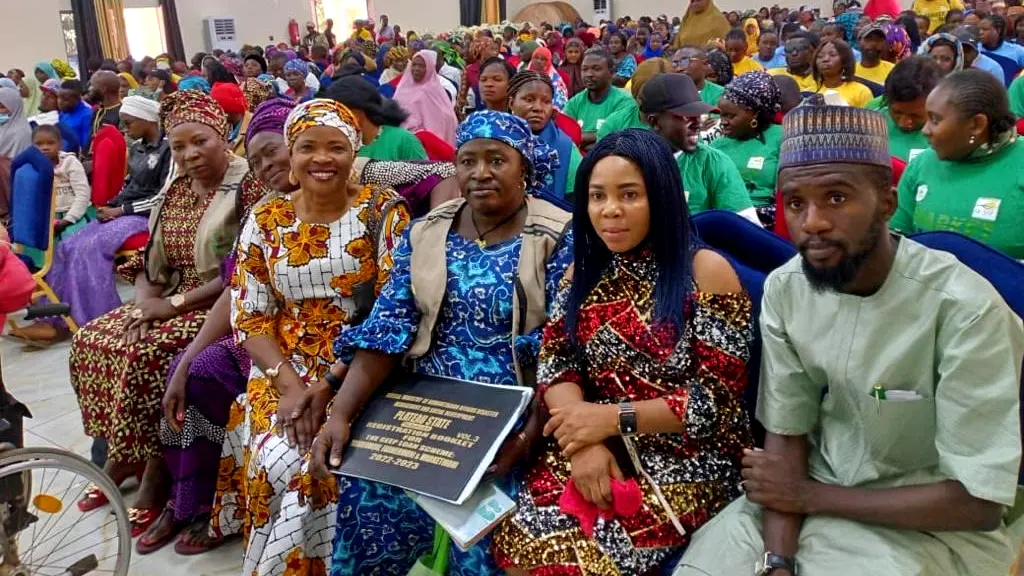
Delivering direct dignity grants and social protection across Nigeria
The Grant for Vulnerable Groups (GVG) is a critical social intervention under the National Social Investment Programme Agency (NSIPA). It is structured to support Nigeria’s most vulnerable populations through targeted cash grants, assistive technology, capacity building, and disaster recovery support.
Guided by the Renewed Hope Agenda, GVG prioritizes transparent, biometrically validated delivery mechanisms that guarantee financial inclusion directly at the grassroots without intermediaries or application fees.
Structured national frameworks designed to restore independence, alleviate extreme indigence, and provide reliable social protection.
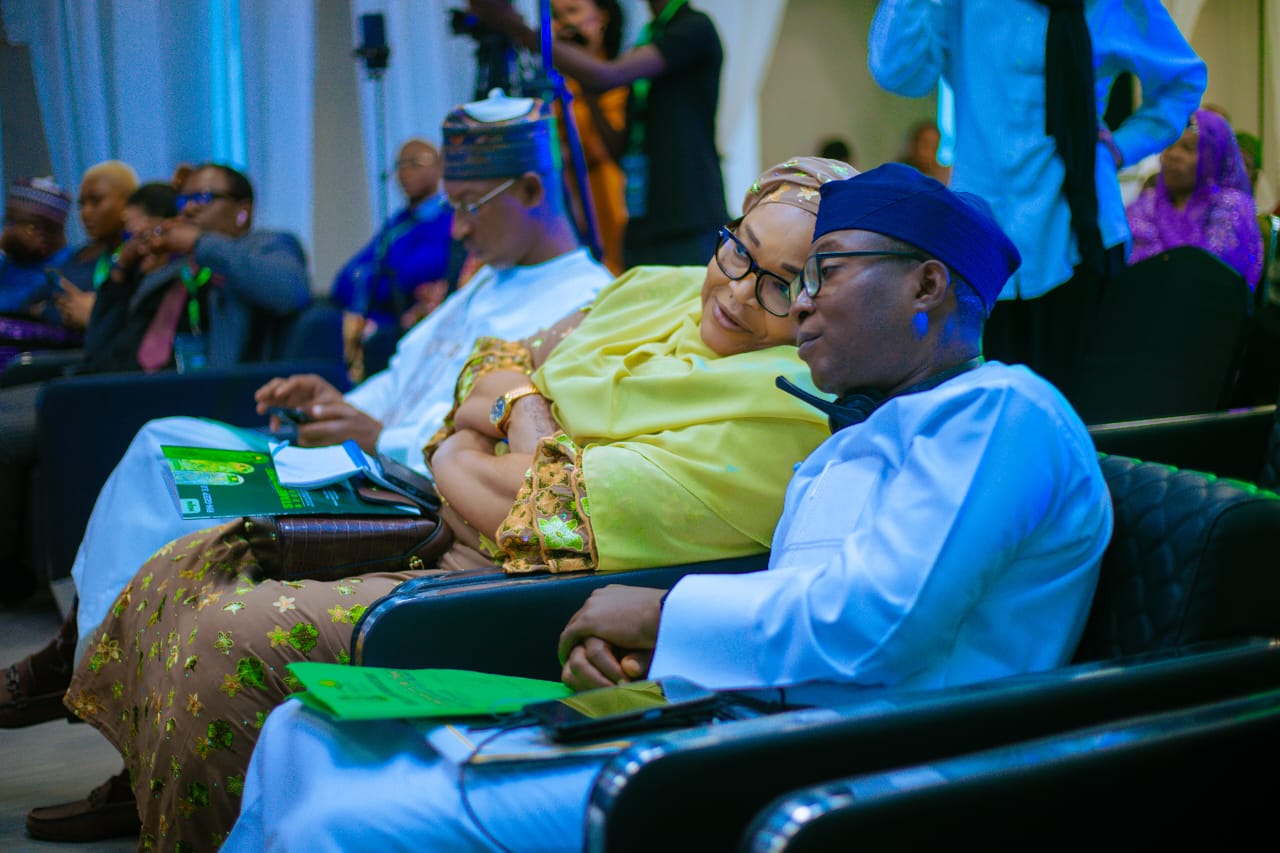
A non-refundable financial lifeline disbursed directly into biometrically validated beneficiary bank accounts to guarantee immediate economic relief.
Free provision of motorized mobility tricycles, braille teaching equipment, hearing aids, and orthopedic prosthetics for Persons with Disabilities (PWDs).
Rapid deployment protocols granting survival assistance and safety nets to households impacted by flooding, armed banditry, and internal displacement.
Find out how the grant provides direct financial relief, essential supplies, and assistive tools to individuals and families across Nigeria.
Empowering independent living through specialized mobility aids, assistive devices, and direct relief.
Dedicated support for citizens living with physical, sensory, or developmental challenges. The programme provides direct financial assistance alongside customized assistive equipment to unlock personal independence and livelihood opportunities.
Individuals with verified mobility, hearing, visual, or developmental impairments.
Personal wheelchairs, braille slates, hearing aids, mobility tricycles, crutches, and direct dignity cash support.
To protect vulnerable citizens from fraudulent agents and extortion, GVG enrollments are conducted exclusively through official social development officers, LGA desks, and the National Social Register. No fee is ever charged.
Stay informed on disbursement schedules and distribution of assistive devices nationwide.
Field officers and community validators deploy across northern local government councils.
Collaborating with disability stakeholder groups to guarantee precision fit for specialized tricycles.
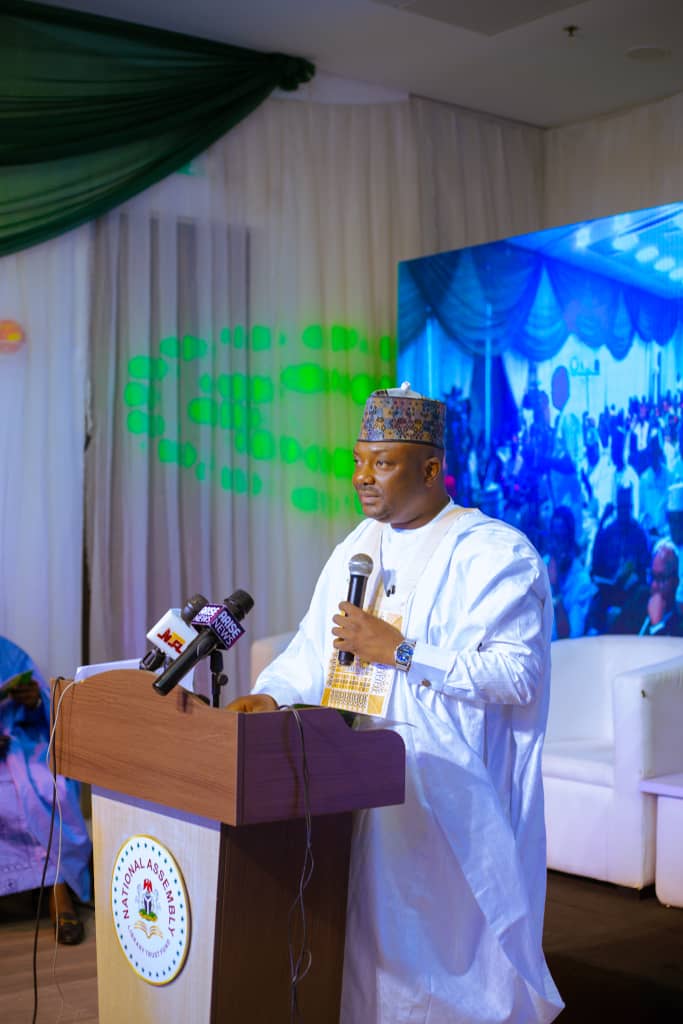
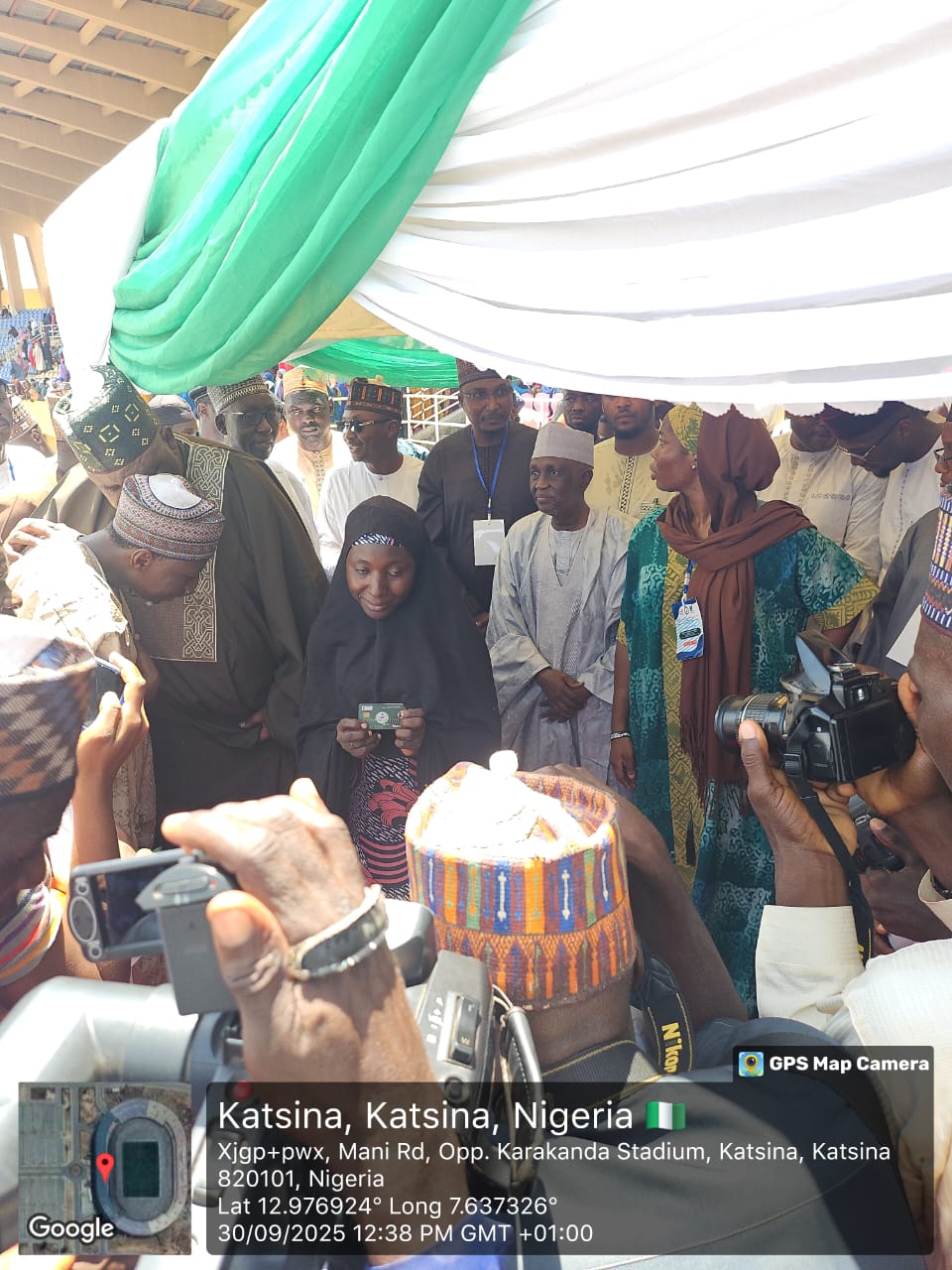
Disbursements credit directly to verified account numbers with no intermediary deductions.
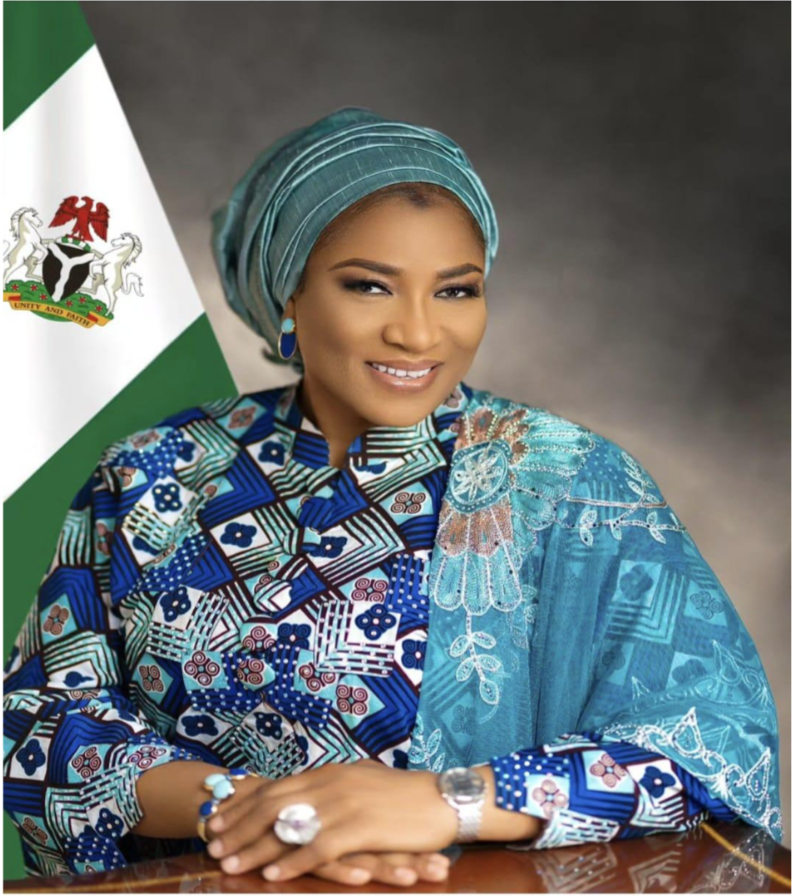
National Programme Manager, Grant for Vulnerable Groups (GVG) • NSIPA
“Our sacred mandate under the Renewed Hope Agenda is to ensure that no Nigerian is forgotten or left behind due to physical limitations, displacement, or old age. The GVG programme brings governance, compassion, and financial empowerment right to the doorsteps of our most cherished and vulnerable citizens across all 774 local governments.”